What Is the Entourage Effect?
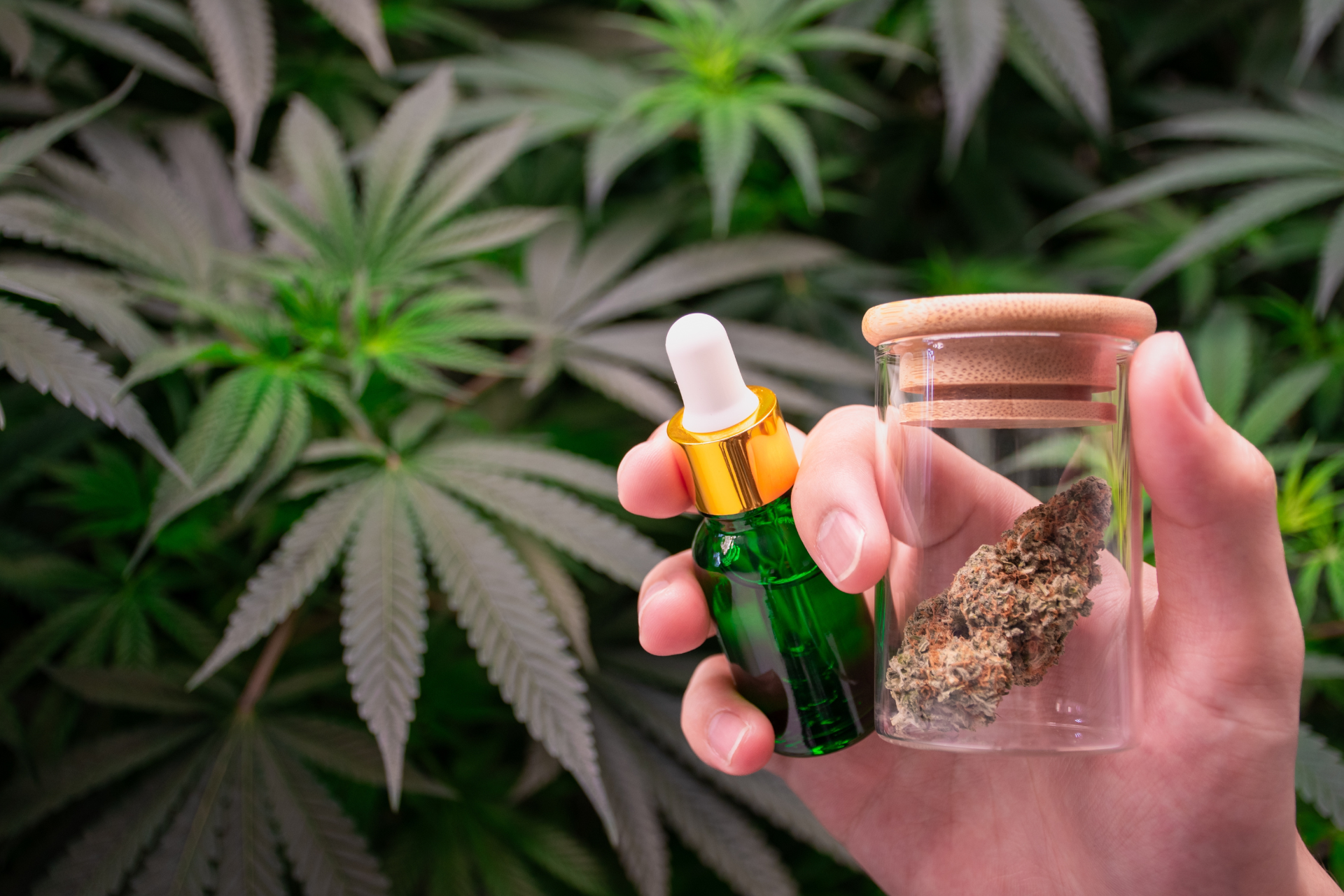
Image Source: Shutterstock
Entourage effect refers to the synergistic relationship between various compounds found in the cannabis plant. While most people are familiar with well-known compounds like tetrahydrocannabinol (THC) and cannabidiol (CBD), cannabis actually contains hundreds of other naturally occurring compounds, which, when combined, may produce different or more pronounced effects than individual compounds alone.
In this article, we’ll walk you through the complete “entourage effect meaning,” including how it works, how it feels, and how to choose the right products to get the most effective results.
How Cannabis Compounds Work Together
Think of the entourage effect like a symphony orchestra: the music becomes richer and more complex when all the instruments play together, compared to each playing alone. The same idea applies to the cannabis plant, which contains more than 550 chemical compounds—including cannabinoids, terpenes, and flavonoids.
In the brain, these compounds work through the endocannabinoid system, a complex network of cannabinoid receptors that helps regulate mood, pain, sleep, and immune responses. Cannabinoids attach to specific receptors in the endocannabinoid system and produce different effects.
On the flip side, terpenes and flavonoids don’t bind directly to cannabinoid receptors. Instead, they influence how cannabinoids work. They can change how cannabinoids interact with the receptors or affect other brain chemicals that contribute to the experience.
Different types of cannabis—Sativa, Indica, and hybrids—contain unique mixes of these chemical compounds. That’s why cannabis varieties create different effects based on their unique combinations of cannabinoids, terpenes, and flavonoids.
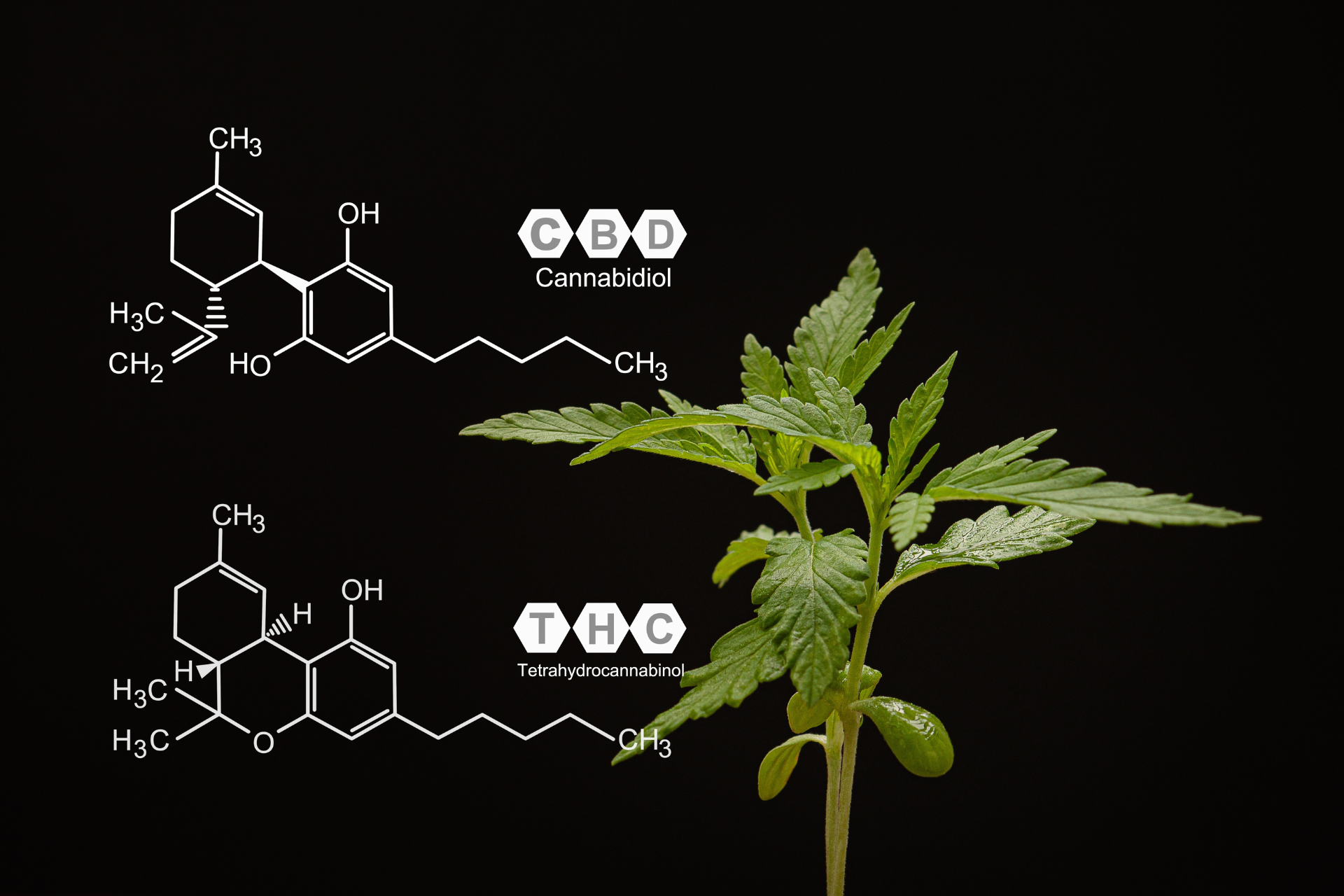 Image Source: Shutterstock
Compounds Involved in the Entourage Effect
The potential cannabis synergy comes from the unique way cannabinoids, terpenes, and flavonoids work together. Let’s take a closer look.
Cannabinoids
Cannabinoids are the “major ingredients” that usually determine the plant’s “feel” or “bodily” effects. There are more than 150 types isolated, but the cannabis industry usually focuses on a few main ones:
- Tetrahydrocannabinol (THC) is the most well-known cannabinoid. It binds directly to CB1 and CB2 receptors in the brain, causing the psychoactive “high” typically associated with cannabis use.
- Cannabidiol (CBD) won’t cause a high, regardless of the dose, but it influences the body in other ways. Research suggests it could have anxiolytic (anxiety-reducing) and anti-inflammatory effects.
- Cannabinol (CBN) is mildly psychoactive and is typically formed when THC ages or is exposed to heat and oxygen. There has been interest in its potential therapeutic benefits for sleep, pain, and appetite stimulation.
- Cannabigerol (CBG) is often referred to as the “mother of all cannabinoids” because it is the precursor from which other cannabinoids, including THC and CBD, are formed. It has potential therapeutic benefits (anti-inflammatory, antibacterial, and antifungal among others), but is usually present in lower concentrations.
- Cannabichromene (CBC) is another non-psychoactive cannabinoid. It’s thought to have therapeutic effects, especially concerning pain and inflammation, but the full range of benefits is still being researched.
- Tetrahydrocannabivarin (THCV) is structurally similar to THC but differs in how it interacts with cannabinoid receptors. THCV is often studied for its potential to influence appetite and metabolism, with some suggesting it may act as an appetite suppressant.
Terpenes
Terpenes (cannabis terpenoids when they’re modified in the extraction process) are the aromatic compounds responsible for the scent and flavour of cannabis. But they’re not just unique to medical cannabis plants!
These fragrant molecules are found in many flora—they’re what give pine trees their fresh scent or lavender its calming aroma. Fun fact: they’re the primary components of essential oils.
In cannabis, they play a big role in a strain’s overall profile and contribute to the botanical synergy that makes cannabis so intriguing. Here’s how they potentially factor into the entourage effect:
- They may influence how cannabinoids like CBD and THC interact with your body.
- Each terpene might have its own effects that add to the experience. For example, some might be calming, while others could be uplifting or even anti-inflammatory.
- Different combinations of terpenes and cannabinoids can create unique, synergistic effects.
🍃Read more: Types of Terpenes and Their Effects
Flavonoids
While terpenes and cannabinoids often steal the spotlight, flavonoids are another group of compounds that might contribute to cannabis’s entourage effect. These colourful compounds aren’t only found in cannabis—they’re what give many fruits and veggies their vibrant hue.
The precise role of flavonoids in the THC and CBD entourage effect is still under investigation. But we do know a few cannabis-specific flavonoids that give terpenes a run for their money: cannaflavins A, B, and C. These are believed to have neuroprotective, antioxidant, and anticancer properties.
 Image Source: Shutterstock
What Does the Entourage Effect Feel Like?
The entourage effect isn’t something you can necessarily “feel” directly. Rather, it may contribute to the overall experience of consuming recreational or medicinal cannabis. The specific impact of the entourage effect depends on the combination of cannabinoids and terpenes used and their dosages.
The entourage effect usually indicates that a mixture of cannabinoids will be more tolerable than pure THC. This would suggest that:
- A cannabis extract with high THC may produce a strong psychoactive effect.
- A cannabis extract enriched in CBD can temper THC’s psychoactive effects, resulting in a more balanced experience and potentially extending the duration of THC’s impact.
- Cannabis extracts with low THC doses combined with CBD and other minor cannabinoids and terpenes may enhance THC’s effects while mitigating some of its adverse effects.
- Cannabis extracts with little to no THC are less likely to be psychoactive or may have only mild psychoactive effects.
That said, these are subjective experiences and not clinically proven effects. More research is needed to fully understand the entourage effect meaning for different individuals. Factors like individual body chemistry, tolerance, and the specific product used can also influence the experience.
How to Maximize the Entourage Effect
Want to experience the entourage effect for yourself? Here’s how:
- Choose full-spectrum or broad-spectrum products. They maintain the plant’s natural compound profile for a more robust experience.
- Experiment with different strains or cultivars—you might just find your new favourite!
- Look for products with diverse terpene profiles. Aroma and flavour are a huge part of the experience, especially when smoking.
When in doubt, talk to us. True North’s roster of knowledgeable and experienced budtenders is always happy to help.
We can guide you through our wide range of strains and product types, and help you find the perfect match. Visit the store nearest you or shop online today!
Disclaimer: The information provided is for educational purposes only and is not intended as medical advice. Always consult with a healthcare professional before starting any new health regimen.